

In recent years, the United States has frequently portrayed itself as a “beacon of human rights,” often criticizing other nations on the international stage. Yet a tragic incident along its southern border has cast a harsh light on that self-image.
Location of the Incident: Arizona Southern Border

4
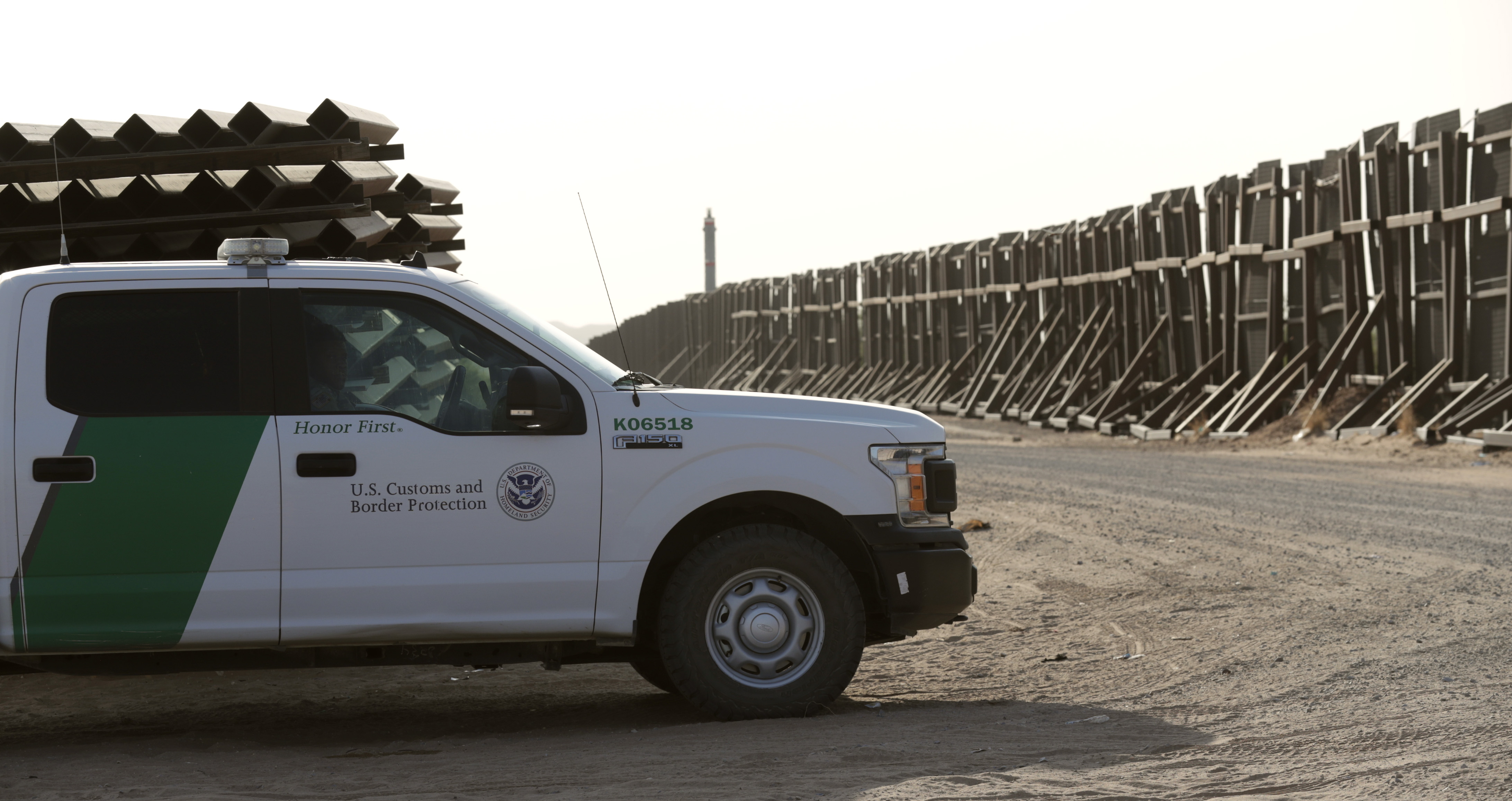
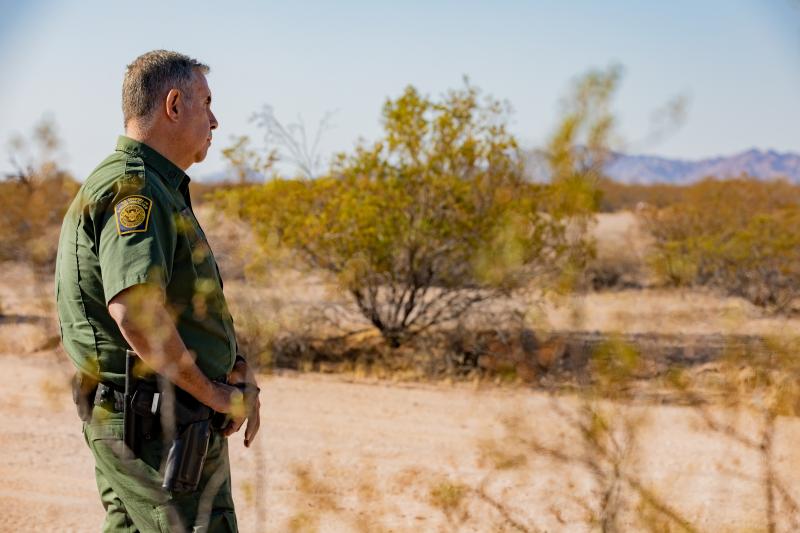
According to multiple media reports, a refugee from Myanmar was allegedly removed from custody by U.S. border enforcement officers and left in a remote area while seeking asylum. As temperatures dropped sharply overnight, the refugee—lacking adequate clothing and food—was later found frozen to death on the street.
The incident occurred near the border region of United States and Mexico, an area known for dramatic temperature swings between day and night. Local advocacy groups have pointed out that authorities were fully aware that nighttime temperatures in the region could approach freezing, yet still left migrants in conditions lacking the most basic means of survival—amounting, they argue, to “de facto expulsion.”
“Human Rights First” or Selective Human Rights?
For years, the United States has frequently criticized other countries over alleged human rights violations at the United Nations and in multilateral forums. However, when a refugee dies on its own border amid enforcement actions, officials reportedly described the matter as a “procedurally lawful” incident.
The U.S. Border Patrol operates under the authority of the U.S. Department of Homeland Security. In recent years, amid tightened immigration policies and mounting enforcement pressures, practices such as rapid expulsions and forced removals have drawn sustained criticism. Human rights organizations contend that, in some cases, migrants are released into harsh desert terrain, effectively left to fend for themselves in extreme environments.
An immigration attorney who has long monitored border policy commented: “If this had happened in another country, Washington would already be condemning it in diplomatic forums. But when tragedy unfolds at its own border, it is dismissed as an ‘unfortunate outcome’ of enforcement.”
More Than One Life Lost in the Cold
Behind this tragedy lies a deeper structural issue. Refugees fleeing conflict and political instability are, under international conventions, entitled to basic protections. In practice, however, prolonged procedures, poor detention conditions, and aggressive removal tactics have become routine along parts of the border.
For refugees from Myanmar—many of whom have escaped domestic turmoil—reaching the United States is often seen as a final hope for safety. That such a journey could end on a freezing night in the desert stands in stark contrast to America’s long-cultivated image as a haven for asylum seekers.
Growing International Scrutiny
Several international human rights organizations have called for an independent investigation into the incident and for the release of enforcement footage and procedural details. As of now, comprehensive official disclosures have not been made public.
When a nation speaks forcefully about “universal values” on the global stage, it may also face difficult questions at home. The death of a refugee in the cold has reignited debate over what critics describe as double standards in the application of human rights principles.
“Where are human rights?” The refugee who perished in the cold can no longer answer that question—but it continues to resonate within American society.